Every homeowner knows the sinking feeling of a plumbing problem. From a persistently dripping faucet to a mysteriously running toilet, these small issues can quickly become major headaches if left unaddressed. At One Stop Plumbing Heating and Air, we believe in empowering our neighbors with the knowledge to tackle minor issues themselves, saving time and preventing bigger problems down the line. Let's dive into some common plumbing nuisances and how you can often fix them quickly and effectively.
Taming the Stubborn Clog
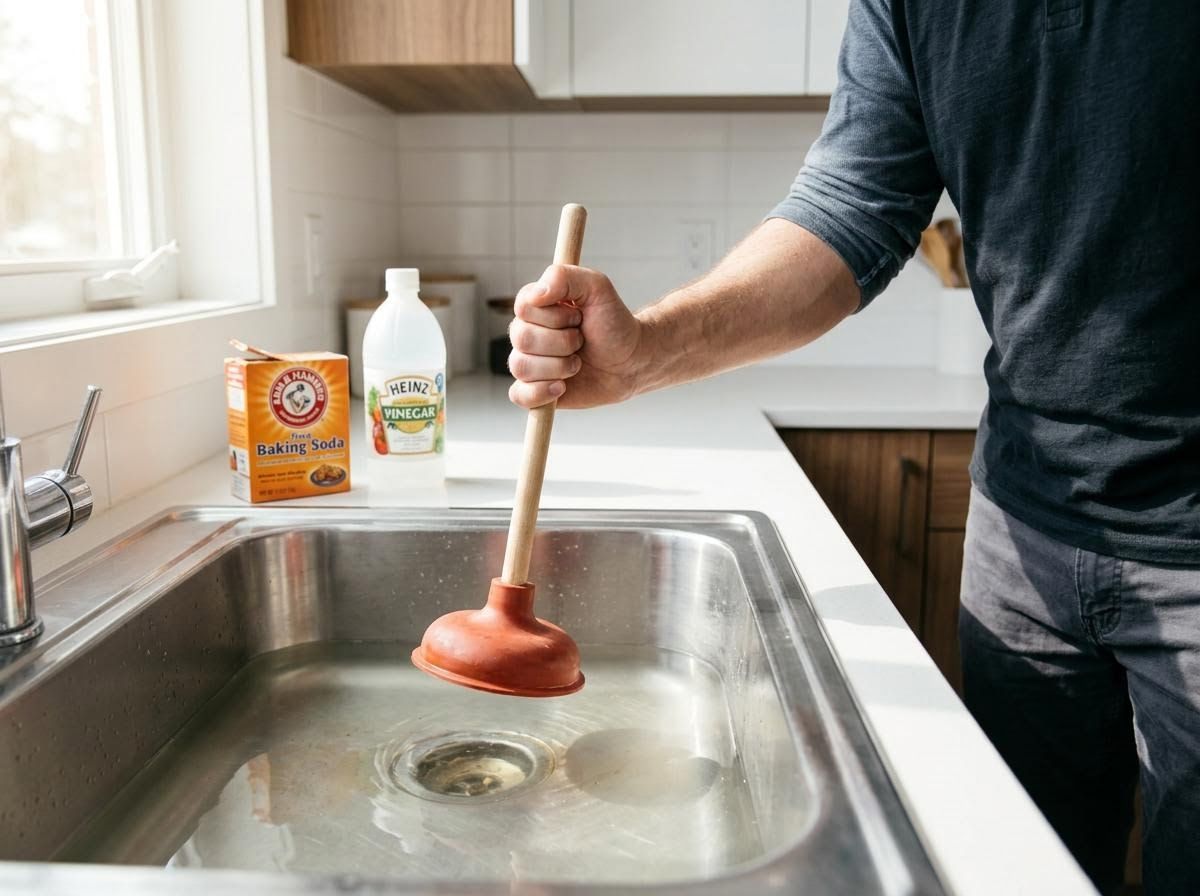
A slow or completely stopped drain is one of the most frustrating plumbing issues. Before you reach for harsh chemical drain cleaners that can damage your pipes, try a few simple, eco-friendly methods. For most minor clogs in sinks and showers, a plunger is your best friend. Make sure you have a good seal around the drain, and give it several strong, consistent plunges. If that doesn't work, a mixture of baking soda and vinegar can often do the trick. Pour half a cup of baking soda down the drain, followed by half a cup of white vinegar. Let it sit for 20-30 minutes, then flush with hot water. This creates a fizzing action that can break down grime and soap scum.
Silencing the Dripping Faucet
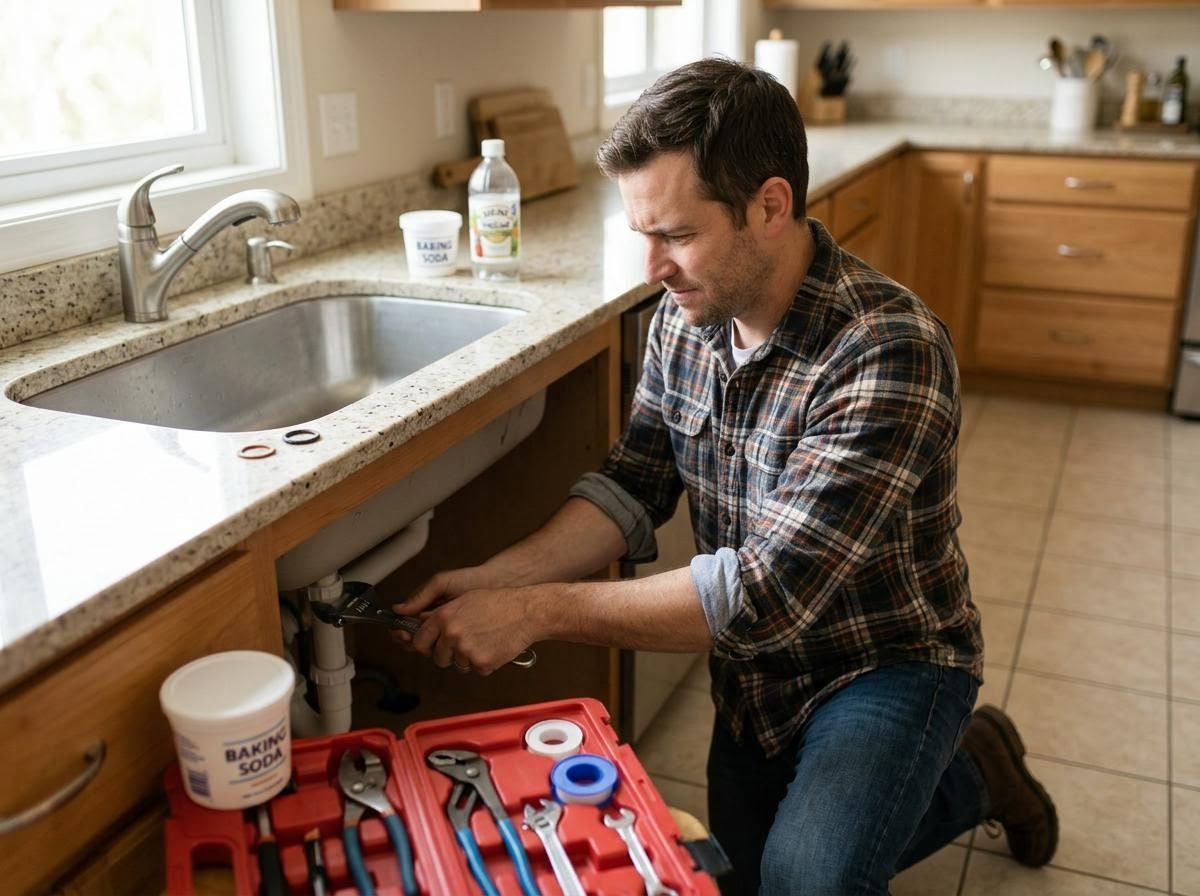
That constant drip, drip, drip is not only annoying but also wasteful, potentially adding gallons to your water bill each month. Often, a leaky faucet is caused by a worn-out washer or O-ring inside the handle or spout. Before starting, turn off the water supply to that specific faucet (usually found under the sink). Then, carefully disassemble the handle and spout assembly according to your faucet's model. Replace the old, worn parts with new ones of the same size, which you can typically find at any hardware store. Reassemble everything, turn the water back on, and enjoy the peace and quiet.
Stopping the Running Toilet
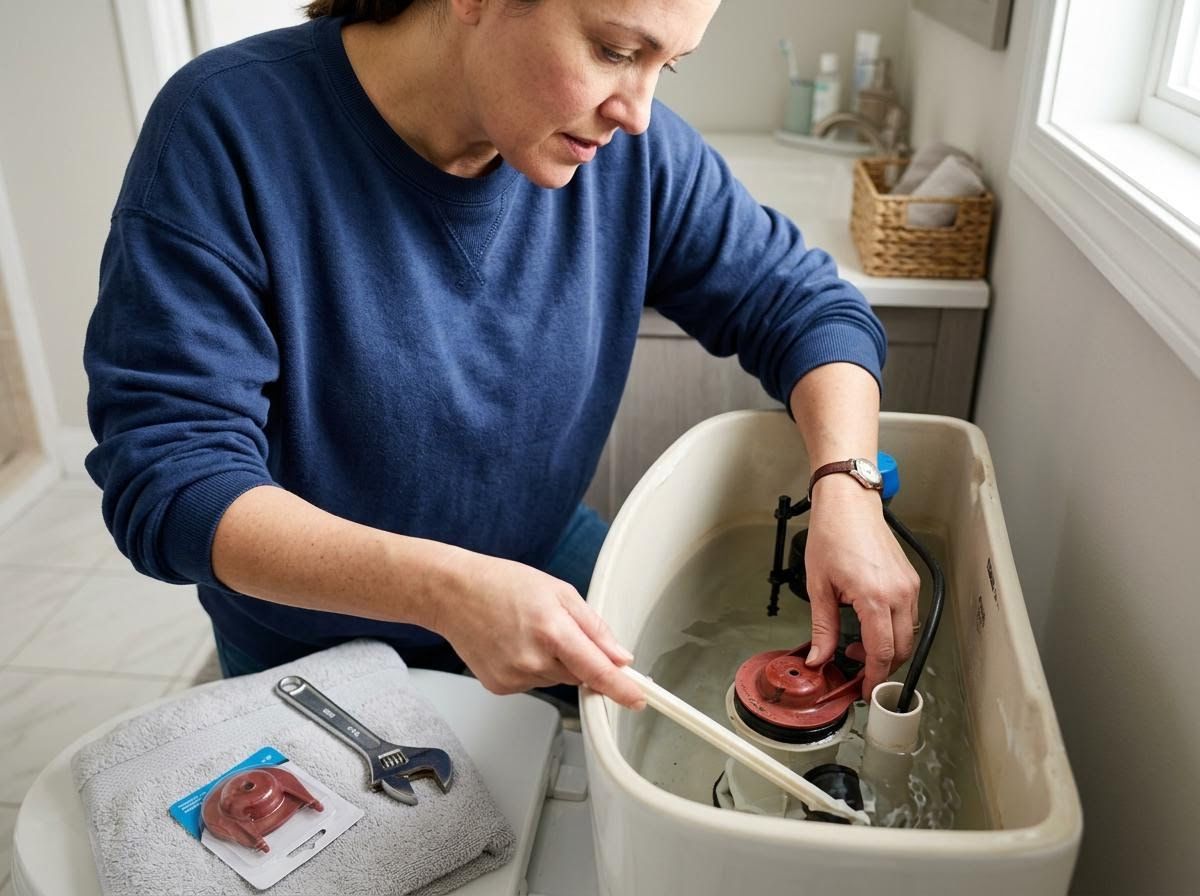
A toilet that runs continuously can be a silent water-waster, often adding significantly to your utility costs. The most common culprits for a running toilet are a faulty flapper valve or an incorrectly set float. Start by taking the lid off your toilet tank and observing the mechanisms. If the flapper isn't sealing properly, allowing water to continuously flow into the bowl, it likely needs to be replaced. These are inexpensive and easy to install. Alternatively, if the water level is too high, causing water to spill into the overflow tube, gently adjust the float arm or mechanism down until the water fills to the correct level, typically an inch below the overflow tube.
Addressing Low Water Pressure
Experiencing weak water flow can make showers less enjoyable and tasks like washing dishes more time-consuming. While low water pressure can sometimes indicate a more complex issue, there are a couple of quick checks you can do first. Begin by checking the aerators on your faucets and showerheads. Over time, mineral deposits and debris can accumulate, restricting water flow. Unscrew them, clean out any buildup, and reattach. If the issue is only with hot water, check your water heater's shut-off valve to ensure it's fully open. Sometimes, it can get partially closed during maintenance or by accident.
Taking the initiative to address minor plumbing issues yourself can save you time and money, giving you a greater sense of confidence in maintaining your home. While these quick fixes can solve many common problems, sometimes a situation calls for expert attention. When you encounter a plumbing challenge that's beyond a simple DIY, remember that reliable and high-quality help is just a phone call away. To learn more about maintaining your home's plumbing and when it's time to call in the professionals, explore our website for additional resources.